AUDI 07K127501L Tfsi Fuel Line Pipe RS3 2.5
fits make: Audi. year: 2016–2022.
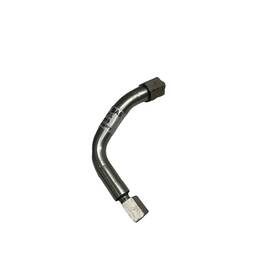
( Manufacturer Part Number: 07K127501L ), ( Type: Pipe ), ( Material: Aluminium ), ( Reference Oe/oem Number: Genuine ), ( Placement On Vehicle: Engine Compartment )
Review AUDI Rs3 2.5 Tfsi Fuel Line Pipe fits 2016–2022
Introducing the Audi Genuine Part 07K127501L, a high-performance fuel line pipe specifically designed for the Audi RS3 2.5 TFSI models from 2016 to 2022. This fuel line is an essential component of your vehicle's fuel system and is engineered to meet the highest standards of quality and performance.
The 07K127501L fuel line pipe is manufactured using advanced materials and production techniques. It is made from a robust, reinforced rubber material that provides exceptional resistance to fuel, oil, and coolant, ensuring a reliable and long-lasting performance. The pipe's interior surface is coated with a specialized substance that minimizes the risk of fuel degradation, while its exterior is protected by a durable, abrasion-resistant cover.
This fuel line pipe features a precise, OEM-grade fit and finish, ensuring a seamless integration into your Audi RS3's fuel system. Its flexible design allows for easy installation, even in tight engine compartments, while its reinforced construction ensures a secure connection to the fuel pump and injectors.
The Audi Genuine Part 07K127501L fuel line pipe is a worthwhile investment for any Audi RS3 owner who seeks optimal engine performance and reliability. By utilizing this high-quality component, you can enjoy the peace of mind that comes with knowing your fuel system is functioning at its best, providing your vehicle with the power and efficiency it was designed to deliver.
In conclusion, the Audi Genuine Part 07K127501L fuel line pipe is a top-tier replacement component for the Audi RS3 2.5 TFSI models from 2016 to 2022. It is meticulously crafted using advanced materials and production techniques to provide exceptional resistance, flexibility, and durability. With its precise fit, reliable performance, and easy installation, this fuel line pipe is an excellent choice for those seeking to maintain their Audi RS3's exceptional performance and longevity.
A Comprehensive Analysis of Buying an Audi 07K127501L RS3 2.5 TFSi Fuel Line Pipe (2016-2022)
Introduction:The Audi RS3 is a high-performance compact car known for its impressive engine and dynamic handling. One essential component of its fuel delivery system is the fuel line pipe. In this analysis, we will discuss the potential pros and cons of buying an aftermarket Audi 07K127501L RS3 2.5 TFSi fuel line pipe for the model years 2016 to 2022.
Pros:1. Enhanced Performance: Aftermarket fuel lines can improve the flow rate of fuel, providing the engine with a more consistent fuel supply, which may lead to better performance.
2. Cost-Effective: Replacing a faulty fuel line with an aftermarket part can save you money in the long run, as buying an OEM (Original Equipment Manufacturer) part may be more expensive.
3. Improved Durability: Aftermarket fuel lines are often made from better materials, ensuring they can withstand the rigors of high-performance driving and daily use for an extended period.
4. Customization: Aftermarket fuel lines may come in various colors or finishes, allowing you to personalize your Audi RS3 and make it stand out from the crowd.
Cons:1. Installation Complexity: Installing aftermarket fuel lines may require more expertise and time compared to OEM parts, as they may not fit perfectly or require additional modifications to work correctly.
2. Potential for Leaks: Aftermarket fuel lines may not be as leak-proof as OEM parts, as they may not meet the same manufacturing standards or have the same level of quality control.
3. Compatibility Issues: Some aftermarket fuel lines may not be compatible with all Audi RS3 models, or they may require additional components to work correctly, which could add to the overall cost.
4. Warranty Concerns: Aftermarket parts, including fuel lines, may not come with the same level of manufacturer support or warranty coverage as OEM parts.
Conclusion:The decision to buy an aftermarket Audi 07K127501L RS3 2.5 TFSi fuel line pipe (2016-2022) depends on various factors, including your budget, technical skills, and desired performance improvements. While aftermarket fuel lines can offer enhanced performance, improved durability, and cost savings, they may also come with installation complexities, potential leaks, compatibility issues, and warranty concerns.
Recommendation:If you're an experienced DIY mechanic with a solid understanding of fuel system installation, and you're looking for a cost-effective and potentially higher-performing alternative to OEM fuel lines, aftermarket parts may be a suitable choice. However, if you prefer the peace of mind that comes with OEM parts, or you're not comfortable with the potential risks and complexities of aftermarket fuel lines, it's recommended that you stick with the factory-supplied components. Always ensure that you purchase fuel lines from a reputable aftermarket manufacturer and follow all installation instructions carefully to minimize risks.
Details:
Off 17-20 RS3.
part #: 07k127501l prices
- $45.00-$98.03
specifications airintakesystemse:
- for makes: Audi
- for years: 2016-2022
- mpn: 07k127501l
- type: Pipe
- material: Aluminium
- reference oe/oem number: Genuine
- placement on vehicle: Engine Compartment
shipping airintakesystemse:
- class: Standard
- transit: 3-8 Days
- service: USPS Ground Advantage
- cost: $7.04
- carrier: USPS
- type: Calculated
seller airintakesystemse:
- rating: 99.0%
- city: Sioux Falls, South Dakota
- # reviews: 200
offer airintakesystemse:
- started: May 19, 2026
- best offers: True
- options: Ship-to-home
- availability: In Stock
- sold: 0
- quantity: 8
general airintakesystemse:
- Car Truck Parts Accessories > Air Fuel Delivery > Hoses, Lines Pipes
- condition: Used
returns airintakesystemse:
- policy: No Returns
payments airintakesystemse:
- credit card: Discover
- wallet: Google-pay
- other
Audi 07K127501L Is Similar To:
- 06a103213af Unbranded For Jetta Bora Golf Audi Crankcase Breather Hose Pipe (18.3% similar) Installation instructions not included, tool included. 8t Au aim boar please with message. 8t Au aim ARC aery package includes: 6PCS crankcase breather hose pipe set. Comes in a sealed package, ready to install. Comes in a sealed package, ready to install. Note: pals confirm the item if it matches ...(July 2nd, 2018)
- 06f127501 Audi Tt Fuel Supply Hose Line Pipe Tube (47.6% similar) ...(December 24th, 2018)
- 06l129629 06l 129 629 06l-129-629 Audi Quattro Tfsi Engine Air Intake Cleaner Duct Hose Oem (24.2% similar) Expedited shipping available, directly for details. Products sold in quantities will show a single image representing the others equal or greater condition...(June 12th, 2018)
- 078133351e Y-pipe Audi 2.7t (16.9% similar) For sale is the y-pipe air intake from a 2001 audi a6 7t part number: 078133351E...(February 19th, 2018)
- 078133351h Audi Allroad Pipe Bi Turbo Intake Manifold Assembly (20.3% similar) Like new condition...(August 21st, 2018)
- 1k0129618an Audi Oem Air Cleaner Duct Tube Pipe (31.1% similar) Also, our audi boutique is one of the finest around with a large assortment brand items...(July 29th, 2018)
- 7l6129609c Audi Oem Air Cleaner Pipe Hose Duct Tube (28% similar) Est, Mon to Fri. All airbag modules are also non returnable...(August 7th, 2018)
- A6allroad Audi Allroad Air Intake Pipe (34% similar) If an item arrives damaged, please via message within 24 hours for instructions...(August 30th, 2018)
- Ilh-004bl-126-g5 Ajp Distributors Blue Silicone Intake Induction Hose Pipe For Audi (24.5% similar) These items are not suitable for regular driving. A must have to keep hoses from collapsing under heavy boost or sudden vacuum. Perfect solution for chipped applications. 25 size tolerance: return labels are not given to these items. Note: all of turbo parts and performance may require slight ...(November 2nd, 2018)
- Q5 Audi Air Tube Pipe (36.4% similar) ...(February 23rd, 2019)
- For Audi A6 Allroad Quattro Turbo Inlet Pipe Csw (32.7% similar) ...(November 2nd, 2022)
